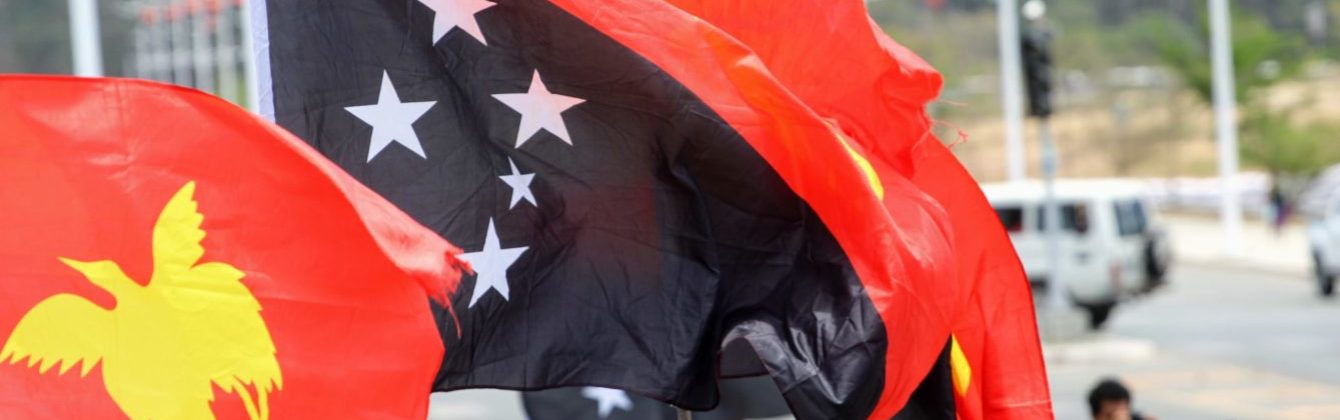
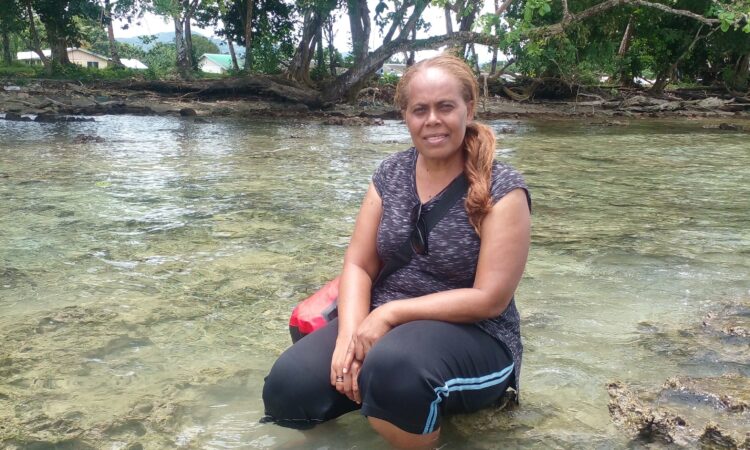
Pacific Indigenous peoples have always been knowledge producers, developing and passing down knowledge through generations of lived experience and close relationships with land, ocean and community.
From traditional navigation and environmental knowledge to food systems, oral traditions and language, these knowledge systems have helped Pacific communities sustain themselves, adapt to change and maintain cultural identity.
As the world marks the International Day of the World’s Indigenous Peoples this week, The University of the South Pacific (USP) celebrates the work of researchers whose studies are documenting and safeguarding Indigenous languages, traditions, knowledge systems and cultural practices that have guided Pacific communities for generations.
Across the Pacific, Indigenous knowledge continues to play a vital role in strengthening resilience and responding to modern challenges such as climate change, food security and sustainable development.
The work of Sandhya Kumari, Alice Clara Aluta-Rore and Peter Sasabule is just a glimpse of the wider body of research being undertaken by USP scholars to document, safeguard and strengthen Indigenous knowledge across the Pacific.
Their research journeys highlight the diverse ways Pacific researchers are helping ensure that the wisdom of Pacific peoples is not only preserved, but also recognised as a valuable resource for shaping the future.
For PhD candidate Sandhya Kumari, the study of Indigenous knowledge is both an academic pursuit and a deeply personal journey.
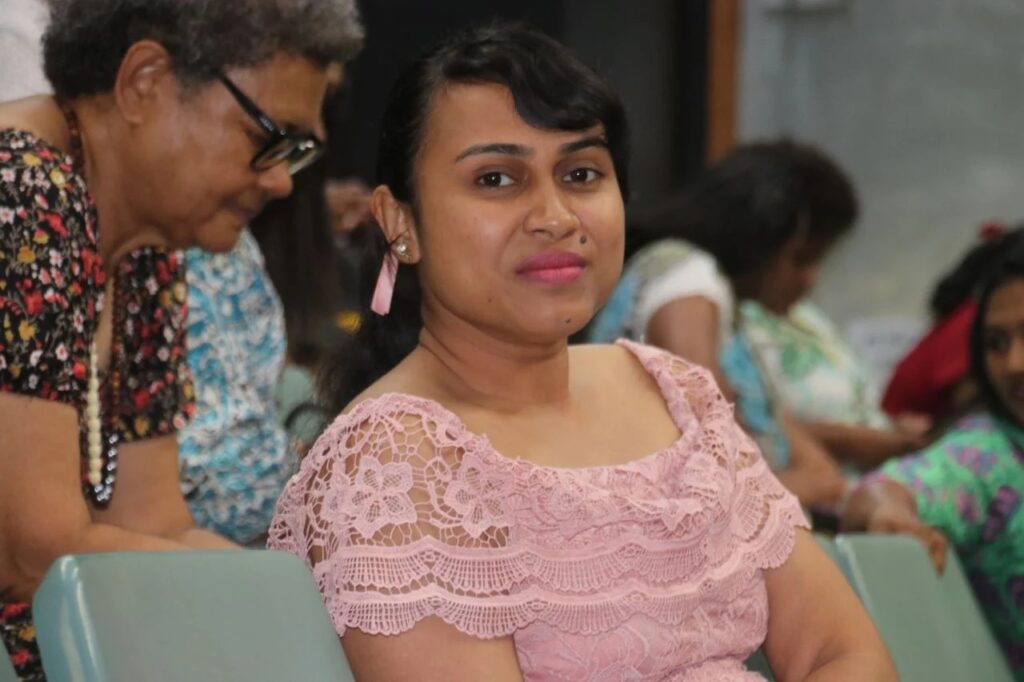
A researcher in the Norway-Pacific Ocean-Climate Programme (N-POC), Kumari is of Indian and Banaban-Gilbertese descent. Her work explores the effects of displacement on Banaban communities and documents traditional ocean knowledge within Banaban and Kiribati speech communities.
Working closely alongside Indigenous communities, she records stories, navigational knowledge and environmental practices that reflect centuries of interaction between Pacific peoples and the ocean.
These knowledge systems are not just cultural treasures, they offer practical, sustainable ways of understanding and responding to climate change.
Inspired by her twin Banaban grandmothers, Kaka Taaren and Kaka Takoroa, she set out to recover and document knowledge tied to a language that has gradually disappeared from everyday use.
Preserving Indigenous knowledge is vital for future generations because it anchors identity, spiritual connection and ancestral continuity.
When a language dies, the knowledge encoded in it becomes silent and inaccessible. Our ancestors were discoverers, navigators and scientists in their own right, and their knowledge deserves formal recognition, documentation and use.
Our Indigenous data is connected to our land. Our knowledge lives in the spirits of our ancestors, in the land, and in the oceans. We are born of this ocean, and we must keep it safe from exploitation, greed and harm. Let us be the true custodians of our ancestral knowledge.
For Solomon Islands researcher Alice Clara Aluta-Rore, Indigenous knowledge remains central to helping communities address food security challenges and build resilience.
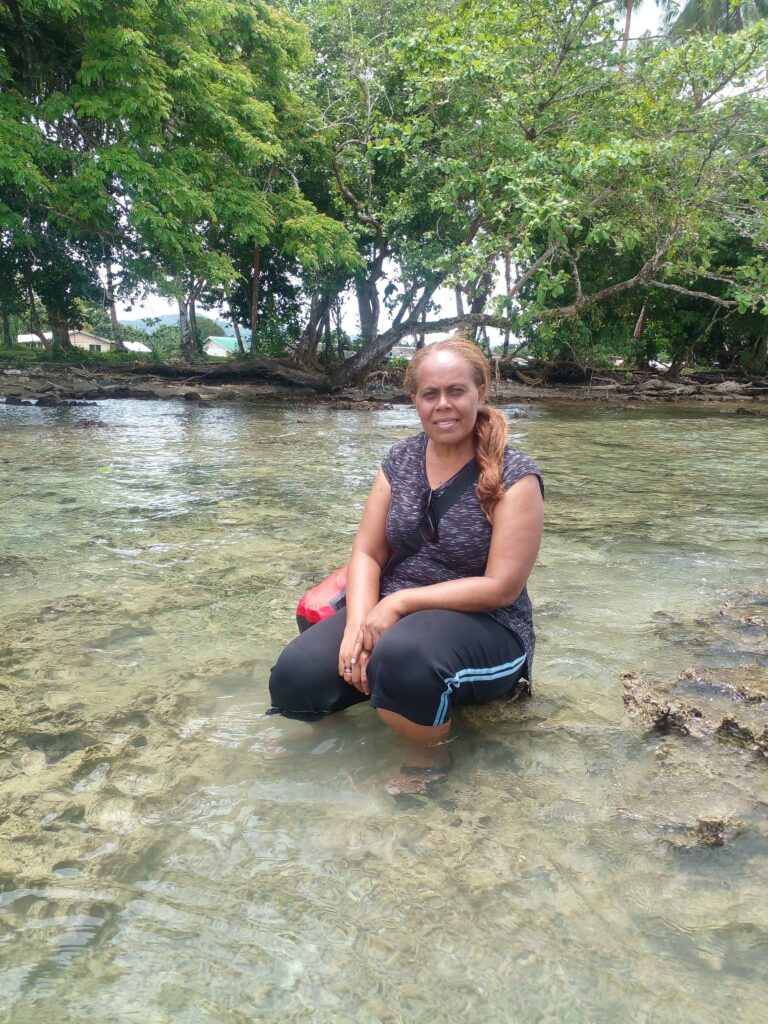
A final year PhD Candidate at The University of the South Pacific, under the Norway-Pacific Ocean-Climate (NPOC) Scholarship Programme, her research documents traditional gardening, fishing and food preservation practices passed down through generations, highlighting the often-overlooked contributions of women in sustaining households and communities.
Her research documents traditional gardening, fishing and food preservation practices passed down through generations, highlighting the often-overlooked contributions of women in sustaining households and communities.
My research is deeply connected to Indigenous knowledge, culture and heritage because it centres on the lived experiences of rural Solomon Islands women who use inherited ancestral knowledge and wisdom to ensure food-secure households and villages.
Indigenous knowledge is more than a body of data, but a living system that enables survival and innovative decisions that will help shape sustainable futures for our food systems in the Pacific.
Inspired by her mother and the many women who quietly support their families and communities, Rore said their resilience became the driving force behind her research.
These hardworking women became the inspiration for this study. I am humbled by their willingness to share their rich stories with me.
Marking International Day of the World’s Indigenous Peoples, Rore shared a message of gratitude and responsibility.
Indigenous wisdom and heritage are our compass to navigate life gifted to us by our ancestors. Let us remember and celebrate our roots, identity and shared belongingness to Oceania, our wan solwara or ‘One Ocean’, with deep gratitude.
For Peter Sasabule, preserving language is fundamental to preserving culture.
Originally from Roviana in the Western Solomon Islands, Sasabule is a PhD candidate in Linguistics whose research focuses on documenting and archiving Zinama Roviana, the Roviana language.
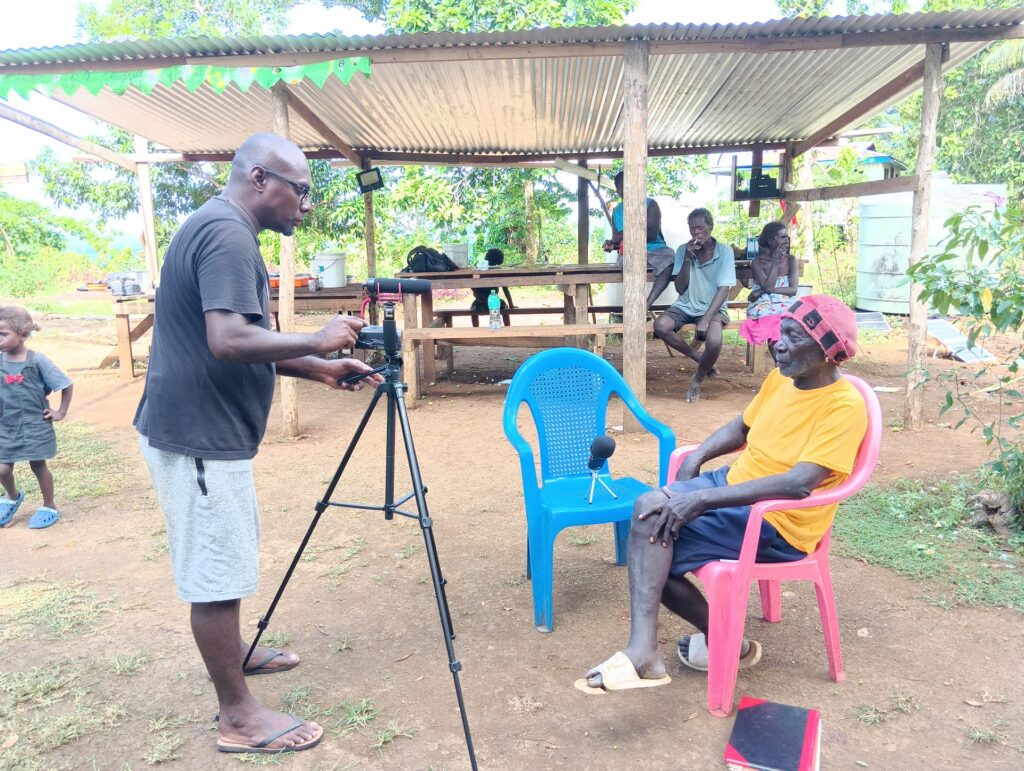
His work involves recording oral histories, stories, songs, conversations and traditional knowledge to create a comprehensive language corpus that can be accessed by both researchers and the Roviana community.
Language documentation is vital for preserving oral traditions. These traditions offer Indigenous perspectives and provide valuable insights into the significance of cultural practices, ceremonies and traditional histories.
For generations, the customs, traditions and knowledge of the Roviana people have been passed down orally.
His passion for the work began in childhood, listening to stories shared by his grandmother.
Zinama Roviana played a significant role in my upbringing. I grew up listening to vivinei malivi, or stories of giants, told by my grandmother. Those stories sparked my interest in documenting and preserving the language and cultural heritage of my people.
Indigenous knowledge and identity are intricately woven into our Pacific cultures. By preserving our Indigenous languages, we ensure that future generations can understand, appreciate and remain connected to their cultural heritage.”
Reflecting on the significance of the International Day of the World’s Indigenous Peoples, Sasabule shared a message in Roviana:
Sa nada vinekala si gua na pili sapu voi ia nada tinago, nada tinuti meke na tinumutumae mae guadi koari tie tamada.
Our language is like a woven basket that carries our belonging, identity and knowledge passed down to us from our ancestors.
Through research, partnerships and postgraduate training, USP continues to provide a platform for Pacific scholars to document, recognise and advance Indigenous knowledge systems that remain central to the region’s future.